Trends of 2013
Live streaming - In 2013, live streaming games and sharing videos gained much popularity. The website Twitch took the lead in this trend, and companies have started updating their games with Twitch integration.
 |
| (Source) |
Virtual Reality - The Oculus Rift became increasingly popular after a successful crowdfunding in 2012, but it became big in 2013 when dev kits were shipped out to developers.
Indie Developers - In this year, major console makers such as Microsoft and Sony gave more attention to smaller independent developers. There have been changes in publishing policies and overall attitude towards indie developers, and they are able to self-publish games on consoles
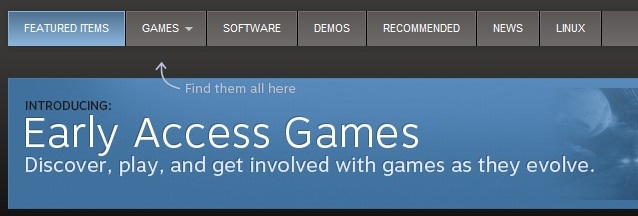
Early Access - Allowing players to buy and play games early (before they are finished) became more common in this year, and the addition of Steam Early Access made this much more popular. Examples of early access games would be Minecraft, Project Zomboid, DayZ, Kerbal Space Program, etc. Many players are willing to buy incomplete games, as long as the developer is clear that it is still being worked on after it's become available.
Trends of 2014
Acquisitions - 2014 was a big year for acquisitions, with many companies being bought out for large sums of money. Some examples of this are:
Indie Developers - In this year, major console makers such as Microsoft and Sony gave more attention to smaller independent developers. There have been changes in publishing policies and overall attitude towards indie developers, and they are able to self-publish games on consoles
Early Access - Allowing players to buy and play games early (before they are finished) became more common in this year, and the addition of Steam Early Access made this much more popular. Examples of early access games would be Minecraft, Project Zomboid, DayZ, Kerbal Space Program, etc. Many players are willing to buy incomplete games, as long as the developer is clear that it is still being worked on after it's become available.
 |
| (Source) |
Acquisitions - 2014 was a big year for acquisitions, with many companies being bought out for large sums of money. Some examples of this are:
- The Oculus Rift VR was bought by Facebook for $2 billion in March.
- The popular livestreaming website Twitch was bought by Amazon in August for around $970 million.
- Also in August, the company Mojang, which was responsible for Minecraft, was bought by Microsoft for $2.5 billion.
 |
| (Source) |
Game Devaluation - People like to get things cheap (or free), and 2014 was a good year for those people. PlayStation Plus (£50/year) gives access to a small selection of games every month on all 3 platforms for no extra cost. Xbox began Games with Gold, which is very similar. There are big sales on Steam that can be major events for PC players, as they can buy multiple games for the price of 1 triple-A game. There's also the Humble Bundle which lets people buy groups of games cheaply (and gets donated to charity).
The Free-to-Play model has also become much more popular, with companies turning popular names into MMOs (Elder Scrolls Online, SWTOR, etc.).
Kickstarter - This year, Kickstarter has slowed down and become less popular, after a big surge of project pledges in previous years. In the first half of 2013, $58 million was pledged, compared to only $13.5 million in the first half of 2014. This is partly because Kickstarter has become 'old news', and potential pledgers have become more cautious about what they pledge to.
Youtubers - People have been recording themselves playing video games and posting their videos on Youtube for years now, but 2014 is the year when developers and journalists recognized that Youtubers are a big part of the 'ecosystem'. Building relationships with popular Youtubers has become important for game developers, and some Youtubers have started getting paid for playing games.
The Free-to-Play model has also become much more popular, with companies turning popular names into MMOs (Elder Scrolls Online, SWTOR, etc.).
Kickstarter - This year, Kickstarter has slowed down and become less popular, after a big surge of project pledges in previous years. In the first half of 2013, $58 million was pledged, compared to only $13.5 million in the first half of 2014. This is partly because Kickstarter has become 'old news', and potential pledgers have become more cautious about what they pledge to.
 |
| (Source) |




No comments:
Post a Comment